When it comes to picking out the perfect dishwasher, size matters a lot. You don’t want to end up with a giant appliance in a tiny kitchen or a compact model that can’t handle your dish load during dinner parties. So, let’s dive into how to choose the right size that fits both your space and your needs.
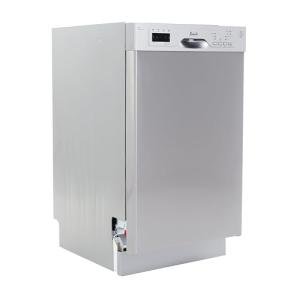
First things first, measure your kitchen space. Grab a measuring tape and check the height, width, and depth of the area where you plan to install the dishwasher. Standard dishwashers are usually around 24 inches wide, but if you’re working with a smaller kitchen, you might want to consider a compact model that’s around 18 inches wide. This is key for fitting the dishwasher in seamlessly.
Next, think about your dishwashing habits. Are you a fan of cooking big meals or often hosting friends and family? If so, go for a full-sized model. They usually hold about 12 to 16 place settings, which means less time scrubbing and more time relaxing. But if you rarely find yourself in the kitchen whipping up a storm, a smaller option might be just what you need. Compact models are perfect for smaller households and can usually handle around 6 to 10 place settings.
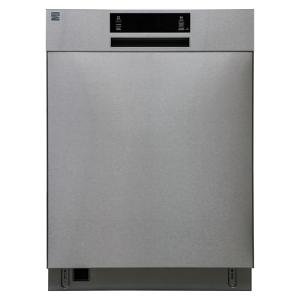
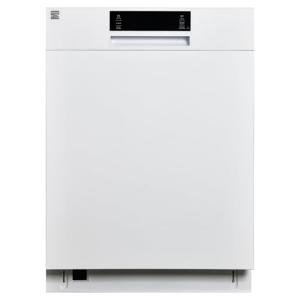
Don’t forget about the door swing and clearance. You want to make sure that the door can open wide enough for easy loading and unloading, especially in tight kitchens. Check if you have enough space in front of the dishwasher for the door to swing open without hitting anything. Some models also have a top-controlled panel which might give a sleeker look and help save space.
Understanding Energy Efficiency Ratings
When you’re diving into the world of dishwashers, energy efficiency ratings are a big deal. These ratings tell you how much energy your potential new dishwasher will use, which can have a real impact on your electric bill over time. Think of it as your dishwasher’s way of showing how eco-friendly it is. A better rating means you're not just saving on bills; you’re also being good to the planet.
Most dishwashers come with an Energy Star label, which is a badge of honor in the appliance world. If you’re following our Dishwasher Buying Guide, look for models that sport this label. They’ve passed strict standards for energy use, which means they tend to use about 12% less energy than non-certified models. It’s a win-win!
Besides the Energy Star label, check the Annual Energy Consumption (AEC) number. This number indicates how much energy the unit will use in a year. The lower the number, the better. This info can usually be found on the energy guide sticker that comes with the dishwasher. So, while you’re exploring different options, keep an eye on those numbers.
Choosing an energy-efficient dishwasher not only makes life easier but helps you feel good about your purchase. You’re not just picking a machine; you’re making a choice that can save you some cash and protect the environment. Keep these energy ratings in mind as you navigate through our Dishwasher Buying Guide, and you'll find a great match for your home!
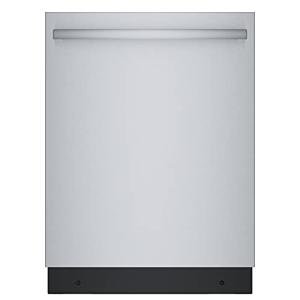
800 Series Stainless Steel Dishwasher with CrystalDry
Experience spotless dishes with innovative drying technology for a truly convenient clean
Product information
Product Review Score
4.26 out of 5 stars
9 reviewsProduct links
Key Features to Look For
When you're diving into the world of dishwashers, knowing what features to look out for can make your decision much easier. Here are some key features you definitely want to consider while using this Dishwasher Buying Guide.
1. Appliance Size: Measure your kitchen space before you shop. Most dishwashers come in standard sizes, but if you have a smaller kitchen, a compact model might be a better fit. Pay attention to the interior space as well; a well-designed layout lets you load more dishes efficiently.
2. Energy Efficiency: Look for models that have a high Energy Star rating. Not only will this help you save on your utility bills, but it’s also better for the environment. Trust me, over time, it’s much easier on your wallet!
3. Cleaning Options: Different dishwashers offer various wash cycles and options. Some have soil sensors to adjust cleaning based on how dirty the dishes are. Others might have a specific cycle for pots and pans or quick wash for lightly soiled items. Choose one that meets your everyday needs.
4. Noise Levels: If you spend a lot of time in your kitchen, pay attention to how loud your potential dishwasher will be during cycles. Look for decibel ratings—anything below 50 dB is usually nice and quiet, so you won’t even notice it running.
These features are just a starting point, but they’ll help you make the best choice for your home. Dive into this Dishwasher Buying Guide, and you’ll be on your way to finding the perfect dishwasher for your lifestyle!
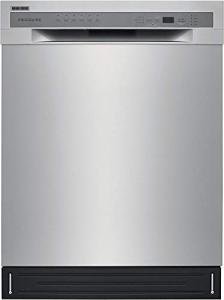
Frigidaire 24" Built-in Dishwasher, Stainless Steel Finish
Experience powerful cleaning and modern style that blends perfectly with your kitchen
Product information
$943.19
Product Review Score
4.24 out of 5 stars
103 reviewsProduct links
Budgeting for Your New Dishwasher
Getting a new dishwasher is an exciting step, but it's crucial to keep your budget in check. The first thing to remember is that dishwashers come in various price ranges, from affordable options to more high-end models. Think about what features you really need versus the ones you just want. This "Dishwasher Buying Guide" helps you focus on what's important without blowing your budget.
Start by setting a realistic budget. Jot down a range you're comfortable with. Here’s a breakdown to help you:
- Entry-level models: $300 - $600. Great for simple needs and usually easy to install.
- Mid-range options: $600 - $1,000. These often come with extra features like quieter operation and better energy efficiency.
- High-end dishwashers: $1,000 and up. Perfect for those who want advanced features like customizable settings and Wi-Fi connectivity.
Don’t forget about additional costs. You might need to pay for installation, especially if you’re replacing an old unit. Some dishwashers come with hidden costs for features like water softeners or specialized racks. Always check for possible rebates or discounts that can save you a few bucks.
Lastly, think about long-term savings. An energy-efficient dishwasher could help reduce your water and electricity bills. This can make a pricier model more appealing in the long run. As you dive into this "Dishwasher Buying Guide," keep these budget tips in mind to make a smart choice that fits your lifestyle.